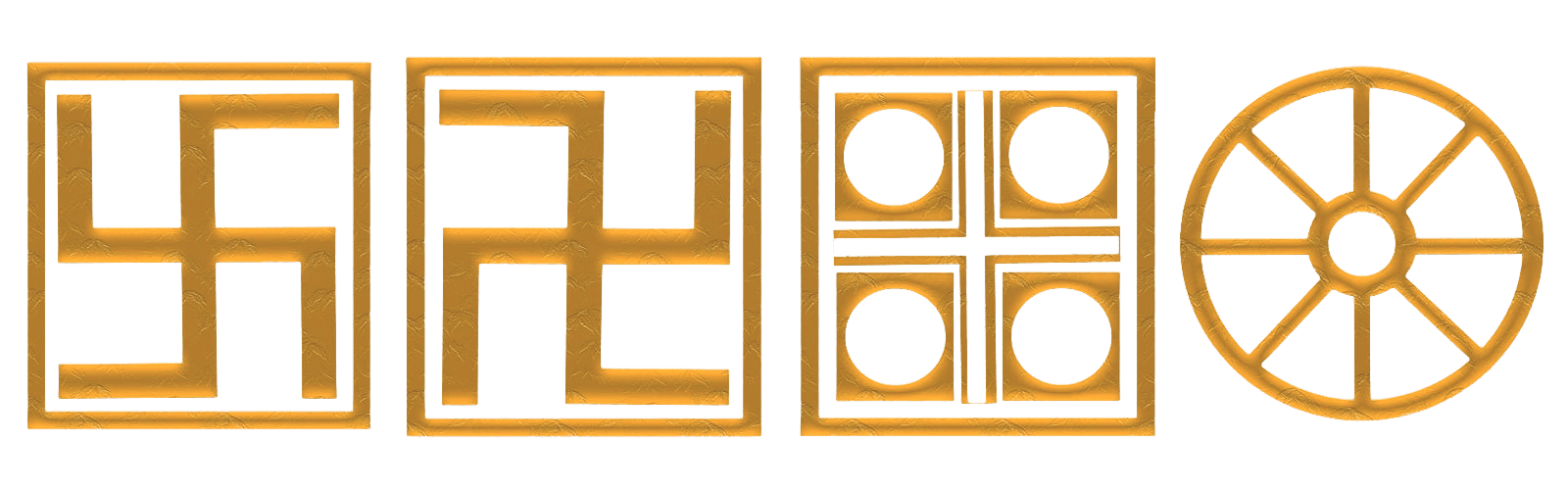
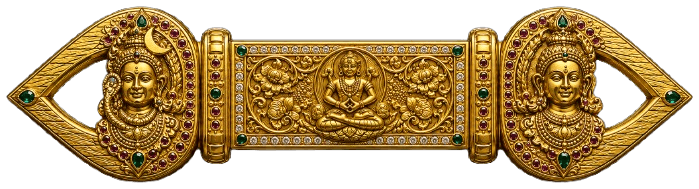

The Dharma of the Himalayan Siddhas
SiddhaDharma
सिद्ध धर्म
Before formal religion
An ancient path of nature, consciousness, and liberation. Four Himalayan currents became one living tradition, preserved today in the custody of Kaulantak Peeth.
Boona Kala
The four primal currents
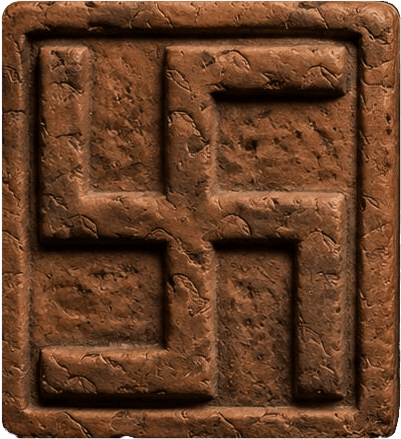
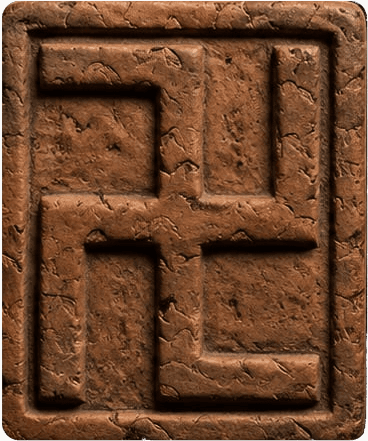
The tradition, clearly
Ancient in origin. Living in practice.
Siddha Dharma is not defined by novelty, a single doctrine, or nostalgia. It is an old and many-sided tradition carried forward through living practice.
Not a new movement
The tradition recounts its origin in the wisdom Swachchhanda Bhairav and Devi Kurukulla imparted to the Himalayan Siddhas, before the religions that have names. Shiva himself follows no religion.
Not one philosophy
Five branches of dharma, and two schools, theist and non-theist, taught side by side. Sthiti Dharma holds them together: no path is treated as incomplete or invalid.
Not a museum
The seat of Kaulantak Nath is never left empty, and the 43 Granthas of the tradition are being written down for the first time in our own generation.
Scroll to the four original currents
Origins
Boona Kala: the Dharma of Nature
Before Siddha Dharma had a name, this tradition already had a shape.
It was called Kopokhojaa, and it was four currents of practice and enquiry, each one gathered around a single question that its people could not put down and did not wish to put down. Who is behind all this. What we owe the dead. What is real behind what we can see. Why everything we love is taken away.
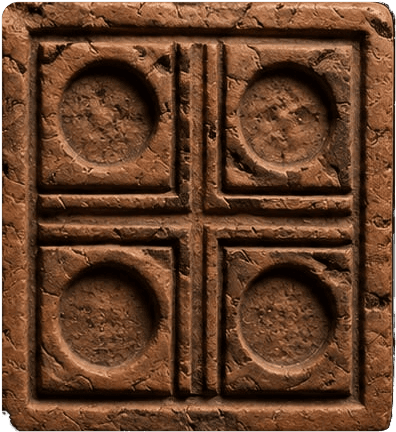
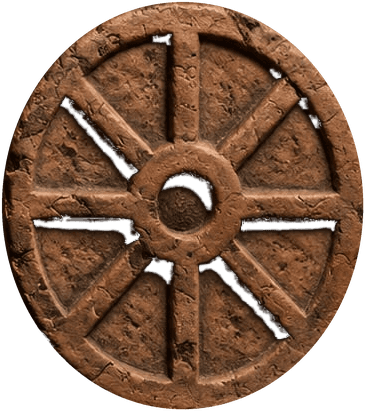
So there were four questions, and with them four currents, four marks, and four ways of carrying one's current inside one's own name. They lived side by side in the same mountains, argued constantly and openly, and were still spoken of as one tradition.
Kopokhojaa was ended on purpose, and it was ended by a debate. Mahasiddha Ajarnath, who had mastered all four currents so completely that each of them claimed him by its own naming, judged that they would serve better united than apart, and summoned every gana of the four to a single contest. The debate itself he gave to his disciple, Mahasiddha Koshira Nath, who fought it on his guru's word against a thousand ganas, over three lunar months, in argument and in demonstration of power alike. Koshira Nath won, and from that victory he carries the title Gana Chakra Nath. What was founded in place of Kopokhojaa is Siddha Dharma.
These four are the oldest layer of this tradition that one can still describe.
01The first form
Boon KalaThe Origin of KO · PO · KHO · JA
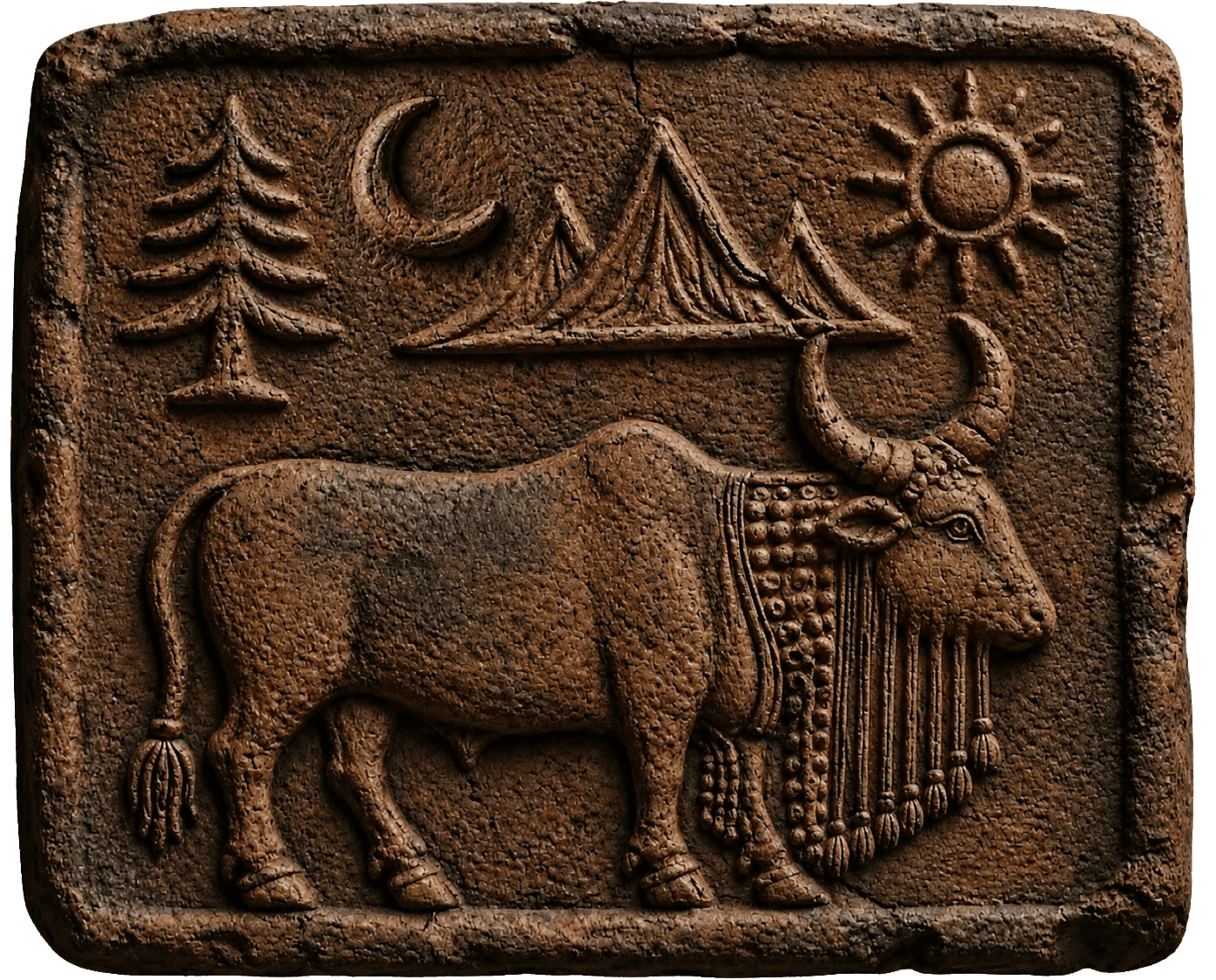
Before it carried the name Siddha Dharma, the tradition was known as Boona Kala—the Dharma of Nature. Its first teaching was the interconnectedness of the rivers, mountains, forests, and every form of life.
From this vision arose four original currents: Ko, the question; Po, the ancestors; Kho, the subtle; and Ja, the longing. Remembered together, they became Kopokhojaa.
02The sacred presence
The God ofBūṇa Kalā
In Būṇa Kalā, the divine was not first a doctrine to be defined. It was encountered through nature—the rivers, the mountains, the forests, and every form of life held together in one interdependent whole.
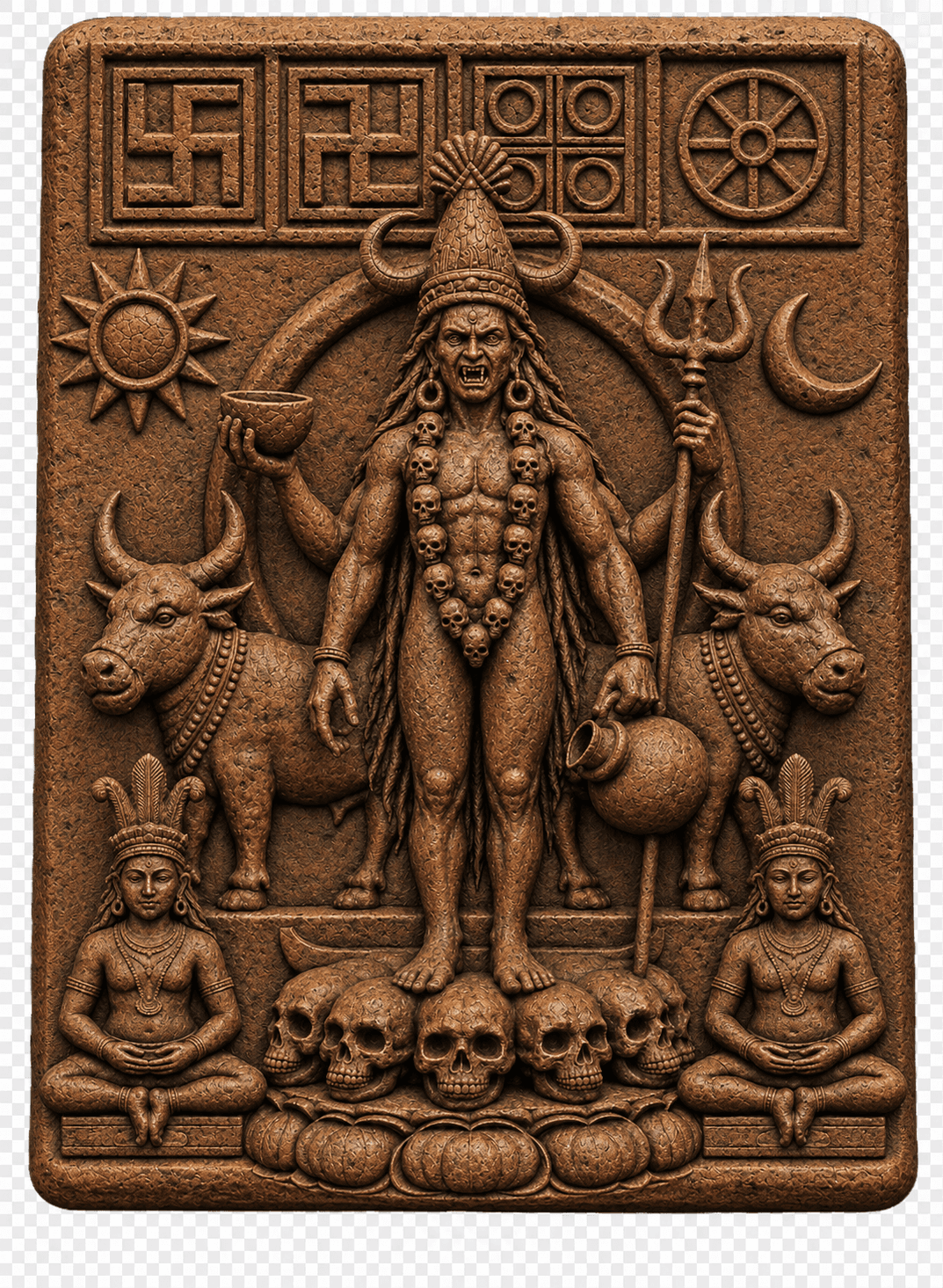
This relief gathers a central sacred presence with beings of earth, water, and sky. As a visual meditation on Būṇa Kalā, it holds many forms within one living cosmos. The precise traditional account will be presented in its dedicated article.
03The sacred presence
God of Ko-Po-Kho-Jā
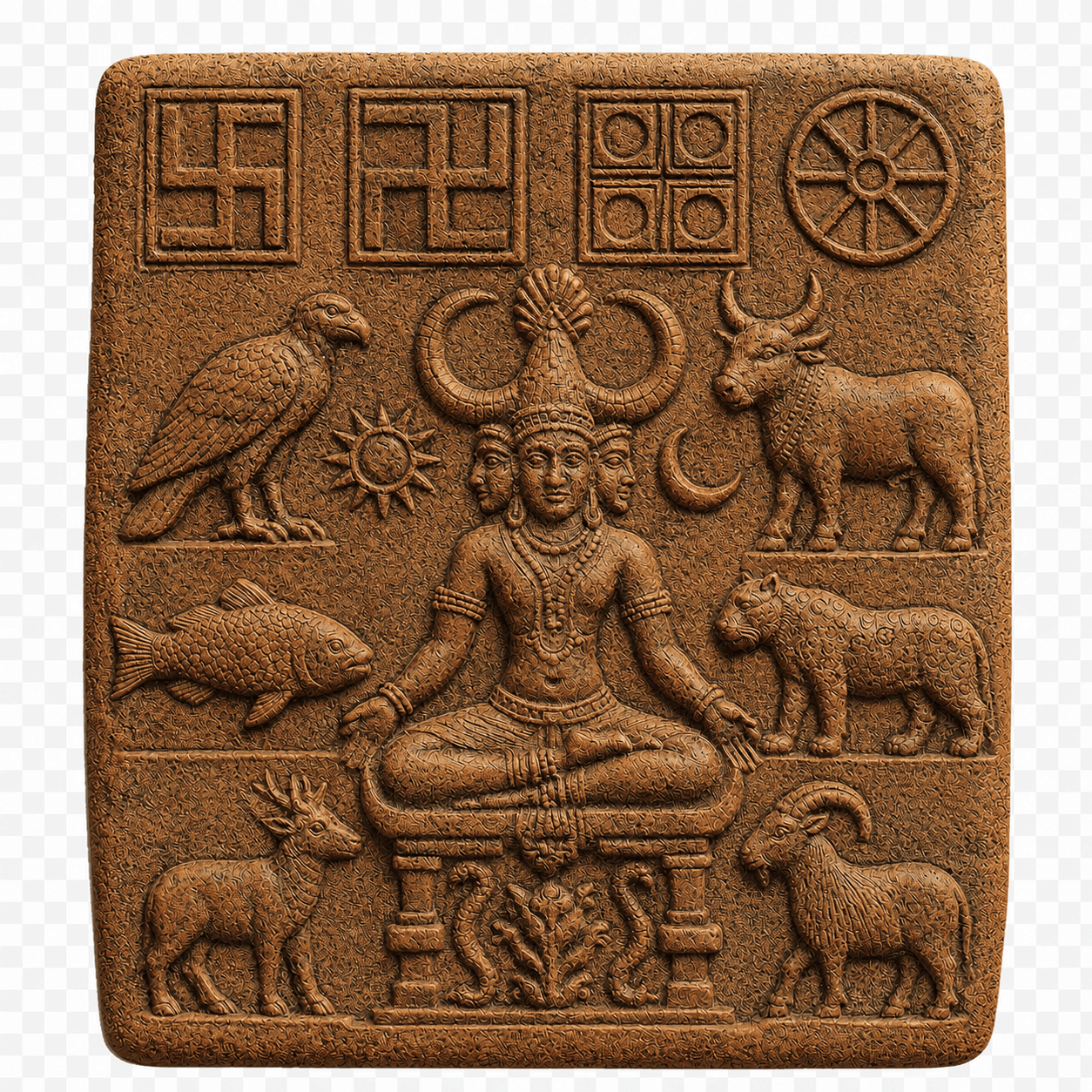
Ko-Po-Kho-Jā names the four currents of Būṇa Kalā held together as one sacred inheritance. Ko asks what stands behind existence; Po remembers the ancestral source; Kho seeks the subtle order beneath appearances; and Jā gives voice to separation and the longing for reunion.
In this relief, those paths meet around a single fierce presence. The four marks above, the sun and moon, paired bulls, ascetics, skulls, vessel, and trident form a meditation on nature, ancestry, unseen power, mortality, and transformation. It is not four gods reduced to one definition, but four ways of approaching the sacred within one living cosmos.
Pañca Srotī Siddha Dharma
Ko Boona
Ko Boona: the question
The current of the question "who?": who is behind existence, and what is divinity? Its Kula Gurus connected with Swachchhanda Bhairav in samadhi, and it recognized Ishwar with form, without form, and in avatar.
Read the full articlePo Boona
Po Boona: the ancestors
The current of the ancestors, holding Ishwar as the first ancestor from whom all descended, and honoring the ancestral line as the bridge between the living and the divine.
Read the full articleKho Boona
Kho Boona: the subtle
The current of the unseen, the Adrishya. It read the visible world as a confinement wrought by karma, its joys temporary, and its Kula Gurus reached the higher subtle powers in samadhi.
Read the full articleJaa Boona
Jaa Boona: the longing
The current of separation: the pain of distance from Ishwar, and the longing for reunion, expressed in deep devotion and prayer.
Read the full articleHistory
How four currents became one path, and how the path survived
Siddha Dharma did not arrive fully formed. It was unified, spread, scattered, guarded, concealed, and finally brought forward again. The tradition preserves the sequence of these turns more than fixed ancient dates.
- 01Unification
The unification
When the Kopokhojaa traditions fragmented and fell into conflict, Mahasiddha Ajar Nath, master of all four, called a great gathering. His disciple Mahasiddha Koshira Nath answered every challenger in debate across three lunar months: eighty wise women and Devi Kanyas, two hundred senior Kula Gurus, and more. For his victory he received the title Mahasiddha Gana Chakra Nath, and Ajar Nath unified the four traditions into one structured path. Completed disciples would henceforth carry the title Nath, custodians of the dharma. Siddha Dharma had its name.
- 02Golden era
The golden era
The Siddhas lived as liberated beings, joining spiritual practice, philosophy, and mastery of the 64 kalas, the arts. Their currents flowed outward and left their mark on the ascetic and liberation teachings of Jain Dharma, on the tantric and meditative methods of Buddhism, and on the BoN and PauN traditions of deity worship.
- 03Dark period
The dark period
Philosophical conflict divided the schools. Wars and the shifting rule of kings destroyed centers of learning, and the long training a Siddha requires became impossible to sustain. Independent Muktaka Siddhas left the framework, and the tradition scattered.
- 04Tri-Peeth
The Tri-Peeth and the one custodian
The knowledge survived in three seats. Kashmir Peeth turned toward philosophy and became what the world now calls Kashmir Shaivism. Kamakhya Peeth, on the plains, lost its knowledge lineage. Kulant Peeth, deep in the Himalaya, became the custodian: choosing few disciples, guarding its practices in secrecy and symbol, and carrying the essence of Siddha Dharma unbroken. That seat is Kaulantak Peeth.
- 05The veil
The veil
About five hundred years ago, the Siddhas of the Peeth judged that society was not ready for the highest knowledge, and the knowledge-chain drew a veil over itself. It worked from behind that veil for centuries.
- 06The return
The return
In the year 2000, Mahasiddha Ishaputra was declared Kaulantak Nath, and the tradition began to step into public view again. Under his leadership the 43 Granthas, preserved orally from Guru to disciple, are being documented in written form for the first time.
Philosophy
Five branches, held as one
या विद्या सा विमुक्तिः
The Peeth's first principle is quoted from scripture: ya vidya sa vimuktih. That which is true knowledge is the path to liberation. Within that frame, Siddha Dharma holds five branches of dharma.
Deva Dharma
Pratīkopāsanā
Worship of Ishwar through the visible form: ritual, symbol, image, and devotion made tangible.
Explore this dharmaVishuddhi Dharma
Nirguṇa Upāsanā
Worship of the formless: contemplative meditation and inner purification, beyond all manifestation.
Explore this dharmaYujya Dharma
Miśra Mārga
The integrated way: devotion, knowledge, and action blended into one inclusive practice.
Explore this dharmaPratigyaan Dharma
Saṅkalpa · Haṭha
The way of resolve: vows kept, obstacles met by determination, strength of will as the discipline.
Explore this dharmaVishvaloki Dharma
The universal view
The recognition that the universe itself is Ishwar, and every experience within it divine.
Explore this dharmaThe holding principle
Sthiti Dharma
The stance that holds the branches together. No path is treated as incomplete or invalid; opposing ideas are allowed to coexist as facets of one truth; the old teachings keep their worth even as new understanding is welcomed. A tradition that contains multitudes, on purpose.
The theist school
The astik path works with divinity: gods with form and without, sadhana as the refinement of oneself toward merger with the divine. Every vidya taught in the tradition carries an astik khand, the portion that speaks only of the spiritual.
The non-theist school
The nastik path presupposes no divinity: it trains the practitioner to push through their own limits, absorb the energies of the cosmos, and master the kalas. These ancient nastiks have nothing to do with the modern internet atheist; the tradition honors them as Siddhas, with the right to be worshipped. Every vidya likewise carries a nastik khand, and every student studies both.
Ahankar Tyag
the setting down of ego
Bodh Vikas
the growth of awareness
Sankalpa
commitment that does not waver
The Siddhas
The ones who carried it
The tradition remembers its founders by name and by circle: the 43 Adi Siddhas who established its doctrines, the three Adi Mahasiddhas who founded the paths to siddhatva, and the 18 Mahasiddhas of the Samarthya Mandala.
Deva-Dharmokta Tri-Siddhatva
Three paths, joined — not ranked
Under Deva Dharma they stand together: diversity preserved within one harmony.
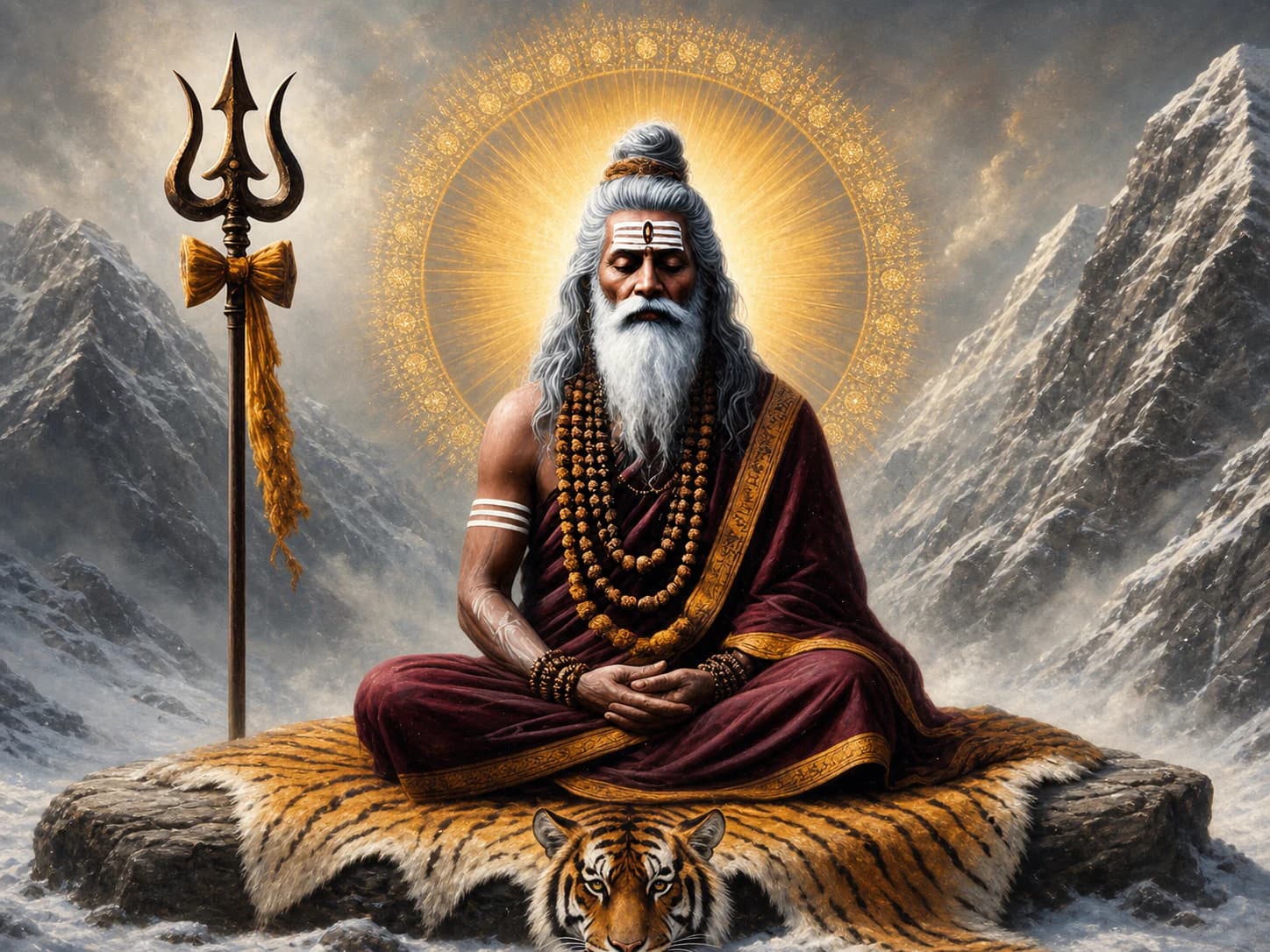
Siddhanta path
Mahasiddha Vyaghravritta Nath
Siddhanta Siddhatva
Founder of the principle-based path: siddhatva reached through doctrine held and lived.
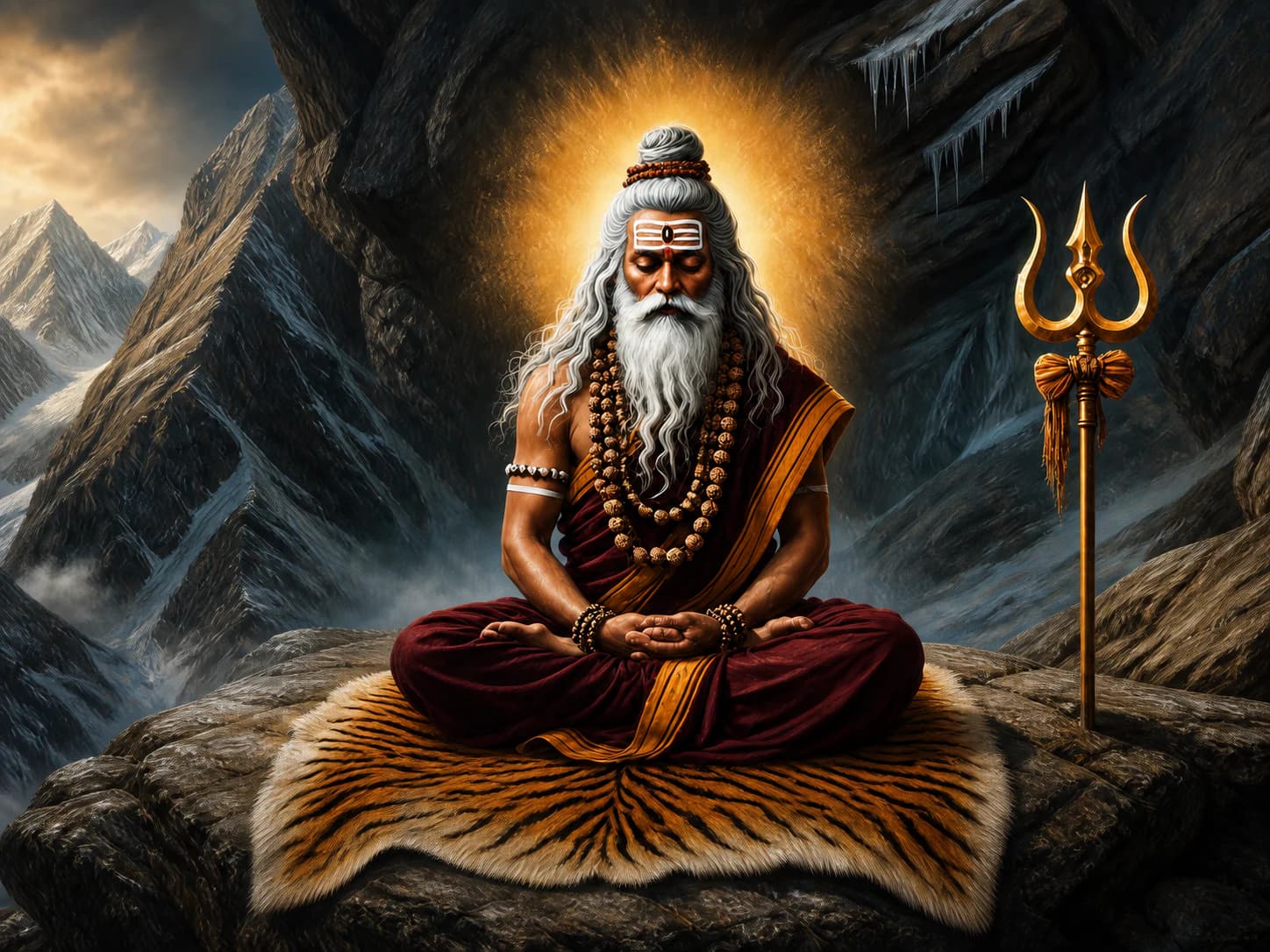
Maya path
Mahasiddha Agnivritta Nath
Maya Siddhatva
Founder of the path of mastery over illusion: Maya met, understood, and commanded.
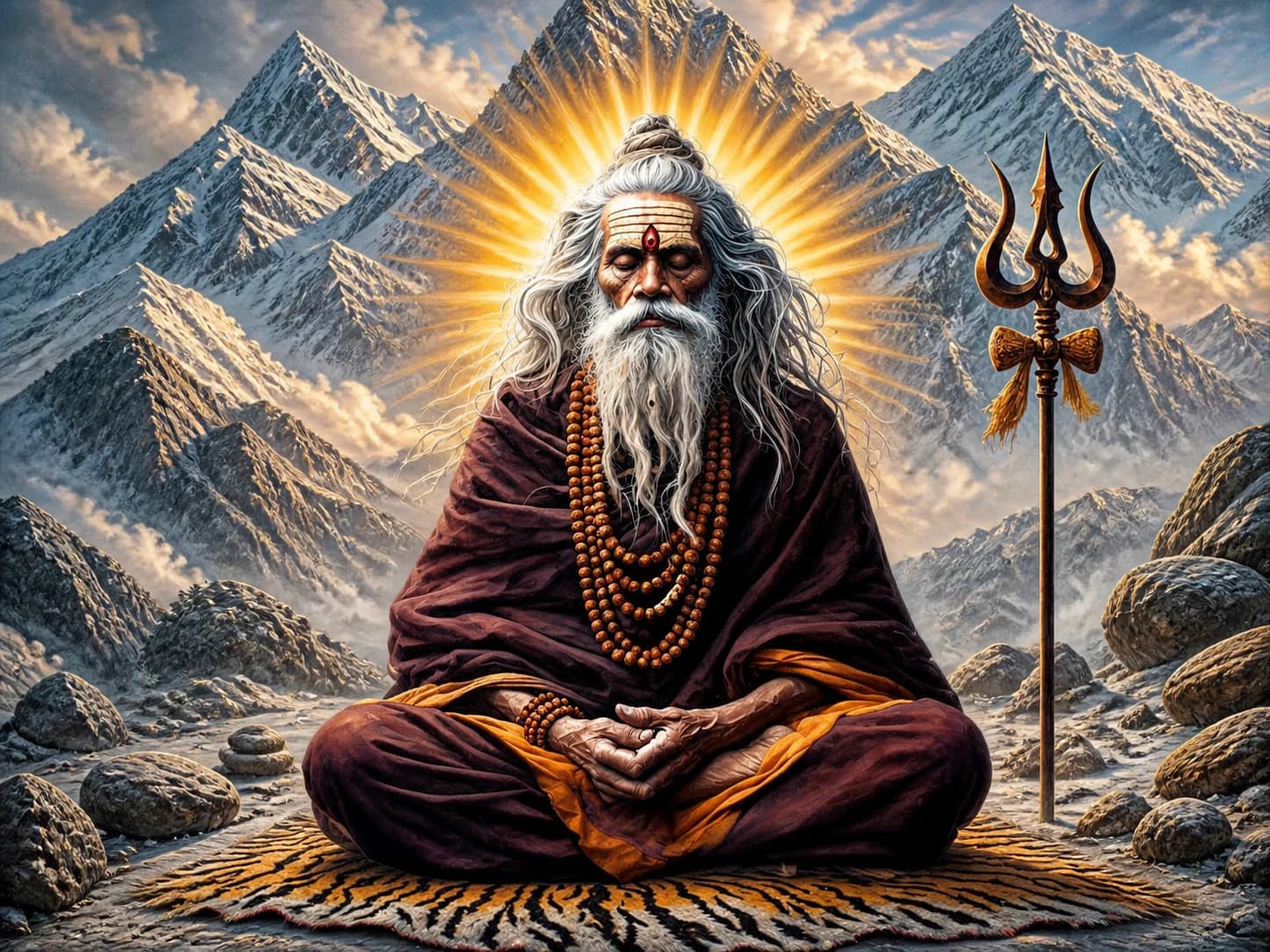
Mukta path
Mahasiddha Koshira Nath
Mukta Siddhatva
Founder of the path of absolute liberation, victor of the great debates, systematizer of the scattered teachings, and author of the Deva Samadhi Tantra. Honored as Gana Chakra Nath.
Scriptures
The 43 Granthas
Forty-three foundational scriptures, preserved for ages through oral transmission from Guru to disciple, their skeletons held in manuscript and their flesh in the living Acharya.
Under Mahasiddha Ishaputra they are being set down in written form for the first time.
Complete corpus
Maukhikh Parampara · written now
- 01Siddha Mahabhumi Tantra
- 02Udhyan Parimandala Tantra
- 03Sambhalabhishek Tantra
- 04Sidhhaachara Sutra
- 05Tatvottahasa Tantra
- 06Kulasamgraha Tantra
- 07Yogarasa Ratnakara
- 08Mahakrura Bhairava Tantra
- 09Chakara Mandala Kalpa
- 10Sri Swachchhnada Vidhana
- 11Guhya Siddhant Tantra
- 12Gurumandalamrita Tantra
- 13Kurukulla Siddha Mahatantra
- 14Kulankusha Tantra
- 15Siddha Yoga Mahamalika
- 16Kalantaka Mahatantra
- 17Siddhamulakalpa
- 18Dev Dharma Sutra
- 19Mantra Dhenu
- 20Anand Siddhi Sutra
- 21Sarva Mahasiddha Sutra
- 22Atidala Yogini Tantra
- 23Mahavidyopasana Tantra
- 24Ganodaya Tantra
- 25Vikaralapatala Tantra
- 26Vishantak Tantra
- 27Prateeka Pallava Tantra
- 28Maha Devachara Tantra
- 29Satya Maya Tantra
- 30Deva Samadhi Tantra
- 31Rahasyaraja Tantra
- 32Siddha Tirtha Tantra
- 33Siddha Matekya Sutra
- 34Raja Tantra Kalpa
- 35Rahsya Matrika Mandala
- 36Ashtadasha Deva Patala
- 37Nagavali Tantra
- 38Parapara Mahamaya Vilasa
- 39Bhairavi Ratna Tantra
- 40Rahsyamukta Tantra
- 41Sri Gunamrita Kosha
- 42Pritykta Tantra
- 43Ukta Mukta Tantra
The manuscript
Names, order, seed syllables, diagrams: the skeleton of a knowledge. Steal it and you hold a beautiful object whose chapters you cannot open.
The living Acharya
The full teaching, passed mouth to ear through Maukhikh Parampara. The scripts themselves, Tankari among them, are a story of their own.
The Living Tradition
Where Siddha Dharma lives now
The custodian of Siddha Dharma is Kaulantak Peeth. It is not a building, not an ashram, not a trust, and not any one person's property; it belongs only to Shiva. Its seat is held today by Kaulantak Peethadhishwara Mahasiddha Ishaputra, declared Kaulantak Nath in the year 2000.
The Peeth teaches as it always has: through the guru, to those who are ready, without discrimination of caste, religion, gender, or country. Anyone may apply. The Peeth chooses.
- Kaulantak Nath declared
- 2000
- Gurus of the training
- 38
- The only owner of the Peeth
- Shiva
The tradition online
Three doors into the living work of Kaulantak Peeth — the seat, the encyclopedia, and the vidyapeeth.
Kaulantak Peeth
The seat itself: Mahasiddha Ishaputra, the temples, the shivirs, diksha, and everything happening now.
kaulantakpeeth.comSiddhapedia
The tradition's encyclopedia: deep articles on its deities, texts, scripts, and practices, one subject at a time.
siddhapedia.comIKSVP
International Kaulantak Siddha Vidya Peeth: the vidyapeeth where the knowledge is formally taught.
iksvp.comYou are not asked to believe any of this. In this tradition nothing is sacred because someone said so; something is sacred because it works. Listen, read, watch, ask. What is taught openly is open to everyone. What is given only through diksha is said so, plainly.
Keep your search going.