
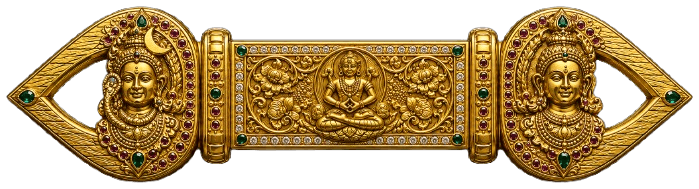
Jaa Boonak (जा बूणक, Jā Būṇak) is the fourth of the four currents of Kopokhojaa. Its colloquial form is Jaa Boon. After Siddha Dharma was founded the Siddhas renamed it Viyog Dharma, the dharma of separation, because its people live in separation.
The word Jaa derives from bijhoh, separation.
Section 01
What this current was
Jaa Boonak was the current of separation and longing. Where the other three began from a question, a lineage or a hidden order, this one began from a condition its people took to be the law of the place.
They reached it by watching. When the summer season ends, the winter starts. However much you love the water of the river, the river's water flows away. However much you love your own people, whoever you love and however much, one day they will leave you, and one day they will have to leave this body and go. They looked further and said that here everyone is eager to kill one another. And so they drew the conclusion: in this whole creation, one thing keeps getting separated from another thing, and this is what the place does, not an accident of circumstance.
Their kula gurus remembered God weeping. In great emotional pain, weeping, crying out loudly, they remembered their God and their deities, and they prayed that their troubles be reduced, that this sorrow, this sorrow of bijhoh, be somehow lessened.
They believed, too, that this remembering was not shouted into an empty sky. Whenever they remembered the deities, whenever they remembered God, he would surely grant them darshan in one form or another.
And they had a great deal of faith in avatars. They held that an avatari consciousness comes, sometimes in human form, sometimes as a human being among people. But they attached a condition to it, and the condition is where this current gets hard. Whether a person walks on the path the avatar shows is up to that person. The followers of this tradition believed that if they did not listen to the avatar, if they did not heed those incarnated consciousnesses, then they would not receive the road from God. They would not find the path. They would not be able to become one with their God again.
So the help comes, and it comes in a form one has to recognise and then choose to follow.
Section 02
The current that named Rudra
One word in general use across the whole of this religious world came out of Jaa Boonak, and it did not begin as a compliment.
The people of Jaa were the first to address the deity as Rudra. In Kopokhojaa the deity was called Ishanak, the name this tradition later carried through Shikhi Dev to Swachhand Bhairav, and it was the people of this current who first called him by something else.
The reason is the practice. Shamans everywhere weep, because weeping is how the connection is made. In this current the weeping runs both ways, the deity weeping for his people and the people weeping for him, so that the relation between them is precisely a relation of weeping. From rudan, weeping, they formed Rudra.
It was formed in jest. The tradition is emphatic here: Rudra was a derogatory word, never a word of worship or upasana, and it sounds sacred now only because we have been hearing it for a very long time.
The same practice is still visible today. What is done in Himachal, in Uttarakhand and in the Dev Dharma of Nepal, where the deity's whole story is narrated back to him, that he was born there, that he came here, that he met this person and was given this, and then the weeping, is this same thing. So is carrying the deity's chariot back to the old place where he once sat.
Section 03
Its major philosophies
Jaa Boonak is named for separation, and separation is where its thinking starts and what it keeps returning to.
Separation is the human condition, and it is structural. The primary fact about a person is distance, from God, and from everything they love, and everything else in the system arranges itself around that distance.
Transience is the evidence, and the evidence was gathered by watching. The seasons, the river, the people who leave, the body that has to be left. This current builds its case from what anyone can watch happening, which gives it an unusual footing, for you do not have to accept a revelation to follow the argument. You only have to have lost something.
Reunion is the goal, and this current holds that it is not reached by unaided effort. What opens the road is divine assistance, given rather than earned.
Grace is offered, but it must be recognised and obeyed. The avatar comes. The path is shown. Walking it is the person's own responsibility, and refusing it closes the road. Here is Jaa Boonak's answer to the standing objection against grace-based paths, that they leave nothing for a person to do. There is something to do, and the whole outcome hangs on it.
Open feeling is the form the practice takes. The kula gurus of this current remembered God weeping and crying out, and that expression was the act itself rather than the preparation for one.
And remembrance draws a response. Whenever the deities were remembered, this current held, darshan would be granted in one form or another. Its confidence was placed in God answering the call rather than in the practitioner's power to reach him.
Section 04
Its beliefs and articles of faith
What the people of Jaa Boonak were certain of:
- In this whole creation, one thing keeps being separated from another, and this is the nature of the place rather than misfortune.
- Everything loved is temporary: the season, the river, the people, the body.
- Bijhoh, the sorrow of separation, is the fundamental human pain.
- God can be remembered aloud, in tears, and this is a proper way to pray.
- Whenever the deities are remembered, darshan will be granted in some form or another.
- The deity weeps for his people as his people weep for him, and the relation between them is a relation of weeping.
- Ishanak, the deity of that time, could be addressed as Rudra, from rudan, weeping, a name this current gave him first.
- Avatars come, and an avatari consciousness may be present among people in human form.
- Whether one walks the path an avatar shows is the person's own choice.
- Refusing to heed the avatar closes the road, and without that road there is no becoming one with God again.
- Reunion with Ishwar is the goal of a human life, and it comes with divine assistance rather than by unaided effort.
- Affiliation showed in a man's name. A Lal Nath among the Naths was Mahasiddha Lal Jaa among these people.
Section 05
Its symbol
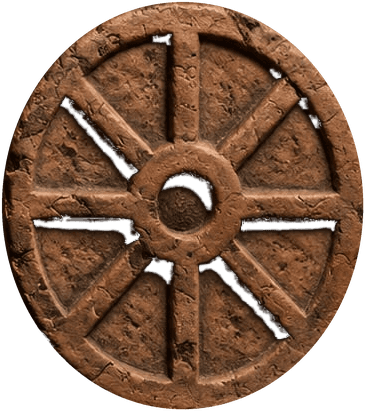
A turning wheel.
A turning wheel is named as the mark of Jaa Boonak, one of the four that combine into the Kopokhojaa mark. The tradition has set down no public reading of it, and this page does not guess at one. Its exact form, whether spokes, hub, or direction of turning, awaits the Peeth's own word.
Section 06
The gods and goddesses of Jaa Boonak
Reserved for a future entry from the tradition's record.
Section 07
Jaa Boonak seen from the present
Meeting this current for the first time, most people take it for the emotional one, meant for those who feel things strongly, sitting beside the three that do the thinking. Understandable, and it misses what Jaa Boonak was actually doing.
It begins with an argument, and the argument is built from things anyone can watch. Seasons turn. Rivers run off. People leave, and eventually leave their bodies. From those observations the current draws its conclusion about the nature of the place, that in this whole creation, one thing keeps being separated from another. Separation is watched first and felt second, and the feeling is what that watching produces in a person who is paying attention.
So the weeping counts as more than decoration. Its kula gurus remembered God in great emotional pain, weeping and crying out loudly, and the tradition takes that remembering as the practice itself, never as the mood a practitioner happened to be in while doing something else. Sorrow expressed aloud, by the guru, in front of the community, is unusual enough that one should sit with it on its own terms before translating it into anything more familiar.
There is a piece of realism here too. This current said that everything you love will be taken away, and said so without softening it, and having said it, it stopped short of recommending that anyone love less. Its people went on remembering their God aloud and asking for the sorrow to be lessened, which is a different answer to impermanence from the one that tells you to loosen your grip in advance.
And then what stops the current from being merely consoling. Grace is offered, but recognising it is the person's own work, and following it is the person's own choice. The avatar walks among people and can be missed. The road is shown and can be declined. So the current that looks from outside like the most passive of the four, the one that weeps and waits, places the decisive act with the person waiting.